







Remote anchorage dental implants are an advanced implant solution for patients with severe bone loss or insufficient bone in the upper jaw who are not candidates for traditional dental implants. Instead of relying on a weakened jawbone, implants are anchored in dense, stable areas of the facial skeleton, allowing for fixed, long-lasting teeth without extensive preparatory grafting procedures or sinus lift surgery.
In short, this advanced implant approach makes fixed teeth possible for patients with advanced upper-jaw bone loss by anchoring implants in stronger craniofacial bone instead of weakened jawbone.
This approach has expanded treatment options for patients who were previously limited to removable dentures, offering a stable and predictable alternative for full-arch dental restoration.
At LACOMS, these procedures are performed by board-certified oral and maxillofacial surgeons with decades of combined experience in complex implant reconstruction and advanced craniofacial surgery.
What Is Remote Dental Anchorage?
Remote dental anchorage is an implant technique that secures dental implants in dense, stable bone located outside the traditional tooth-bearing areas of the upper jaw. Rather than relying on resorbed or weakened maxillary bone, implants are anchored in stronger anatomical structures such as the cheekbone or posterior skull base, utilizing existing anatomical structures that provide dense bone support for stability.
This approach redistributes biting forces away from the compromised jawbone and into more stable support areas, improving implant stability and long-term success in complex cases.
How It Differs From Conventional Dental Implants
Conventional dental implants depend on sufficient bone volume at the site of the missing tooth. When there is insufficient bone, often due to long-term tooth loss, gum disease, trauma, or prior extractions, standard implants may fail or may not be possible at all.
This approach bypasses these limitations by placing implants in bone that is naturally stronger and less prone to resorption, allowing secure implant placement even in challenging cases.
Why It’s Used in Complex Cases
Remote anchorage techniques are used when anatomical limitations prevent safe or predictable placement of conventional treatment methods, including when:
- Bone loss is too severe
- Bone grafting would be extensive, unpredictable, or undesirable
- A patient wants fixed teeth rather than removable dentures
- Immediate stability is needed for full-arch restorations
Learn from experienced surgeons: The Los Angeles Center for Oral & Maxillofacial Surgery is home to a team of board-certified specialists, including surgeons who are fellows of the American College of Surgeons and clinical faculty members, providing personalized care and advanced planning for complex implant procedures.
Why Remote Dental Anchorage Is Needed
Severe Bone Loss in the Upper Jaw
After tooth loss, the upper jaw naturally loses bone over time. In advanced cases, known as severe maxillary atrophy, there may not be enough bone, particularly in the posterior maxilla, to support conventional implant placement safely or predictably.
Failed Implants or Prior Extractions
Patients who have experienced implant failure or multiple extractions often have compromised bone quality. Replacing implants in these areas may require advanced anchorage techniques to achieve long-term stability.
Avoiding Graft-Based Procedures and Sinus Lifts
Traditional implant solutions often involve jaw augmentation procedures or sinus lift surgery, which can:
- Extend treatment time by many months
- Increase surgical complexity and cost
- Carry variable success rates
This approach often eliminates the need for these procedures by utilizing existing dense bone.
When Conventional Dental Implants Aren’t Possible
For patients who have been told dentures are their only option, this advanced implant approach may provide a fixed, stable alternative.
Types of Remote Anchorage Implants
Remote anchorage implant types are selected based on anatomy, bone availability, and treatment goals. In many cases, multiple implant types are combined to support complete fixed reconstruction.
Zygomatic Implants
Zygomatic dental implants are anchored in the cheekbone (zygomatic bone), one of the densest bones in the facial skeleton.
Zygomatic implants are longer than traditional implants and are commonly used when upper-jaw bone loss is severe, particularly in the posterior region.
Pterygoid Implants
Pterygoid implants anchor into the pterygoid plate, a strong bone structure behind the upper jaw.
Pterygoid implants provide critical posterior support and are especially useful for avoiding sinus lift surgery in full-arch restorations.
Transnasal Implants
Transnasal implants pass through the nasal region and anchor into dense bone near the nasal cavity.
They offer additional stability in advanced maxillary cases and are often used as part of a comprehensive solution.
Advantages of Remote Anchorage
The primary advantage of remote anchorage is that it expands treatment options for patients who would otherwise require removable dentures or prolonged graft-based procedures, often resulting in reduced treatment time.
Avoiding Extensive Bone Grafting
In cases of advanced bone loss, traditional implant treatment may require multiple bone grafting procedures before implants can be placed. These procedures can add months to treatment timelines and increase surgical risk.
Remote anchorage implants often eliminate the need for extensive bone grafting by using naturally dense bone, allowing treatment to proceed more efficiently and predictably for appropriately selected patients.
Dental Restoration With Fixed, Stable Teeth
Remote anchorage implants are designed to support fixed dental restorations, even in cases of severe bone loss. Instead of removable dentures, patients can receive teeth that are securely attached and function more like natural teeth.
In many cases, this stability allows for same-day temporary teeth, enabling most patients to leave surgery with fixed teeth in place.

PLAY VIDEO
YVONNE’S DENTAL IMPLANTS EXPERIENCE
Benefits of Remote Anchorage Systems
No Additional Grafting Required
By using existing dense bone, remote anchorage implants often eliminate the need for grafting procedures.
Faster Treatment and Immediate Loading
Many patients receive a fixed temporary set of teeth the same day as surgery, significantly reducing overall treatment time.
Stronger Stability in Compromised Bone
Anchoring implants in dense craniofacial bone provides exceptional stability, even in cases where traditional implants would fail.
Long-Lasting, Predictable Results
When planned with 3D imaging and placed by experienced surgeons, remote anchorage implants demonstrate long-term success rates comparable to conventional implant therapy in appropriate candidates.
Restored Function and Confidence
By securing implants in dense bone structures, patients can achieve stable, functional restoration with greater comfort and predictability. Eating, speaking, and smiling no longer rely on removable prosthetics, helping restore dependable daily function and renewed confidence.
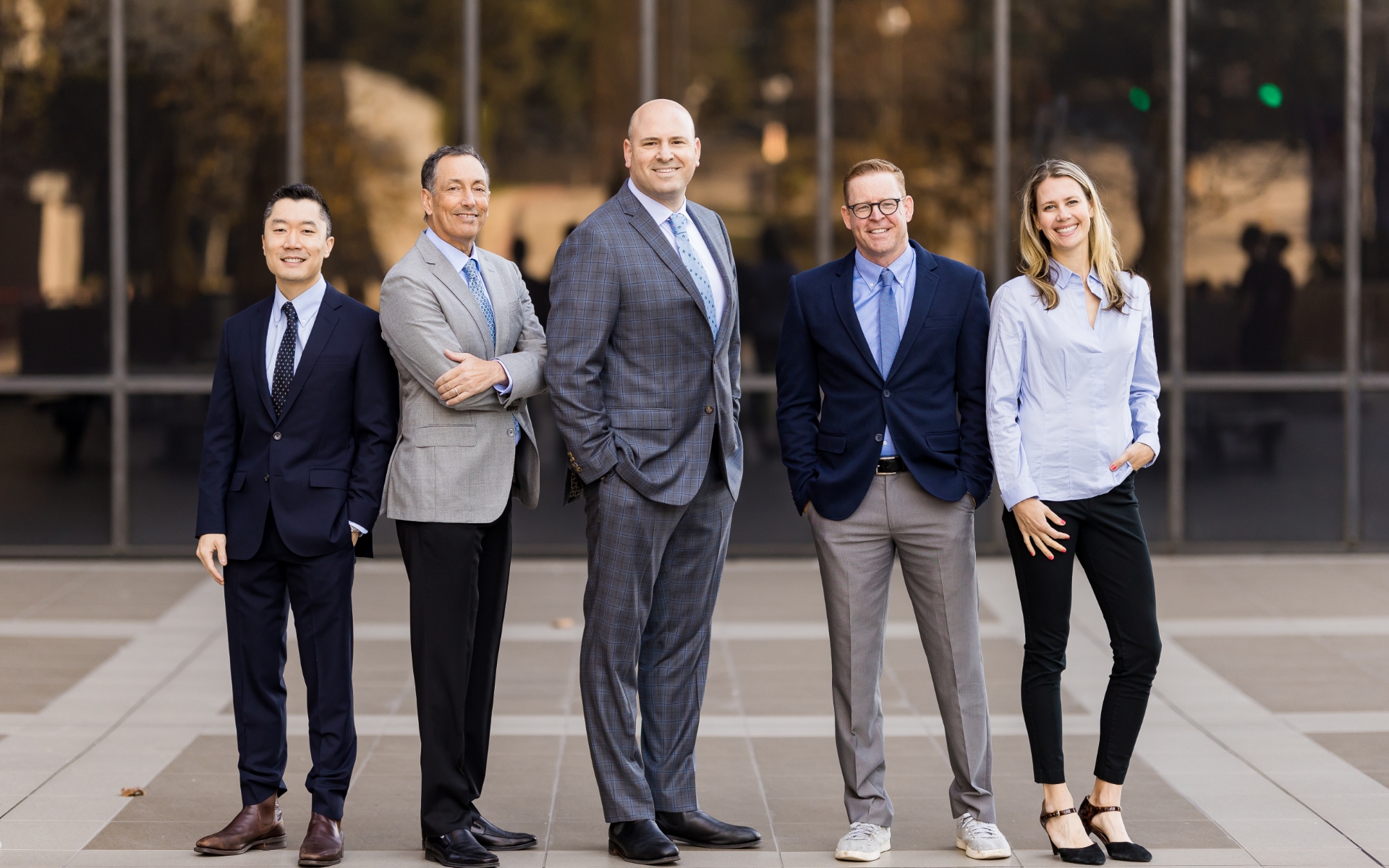
Meet Your Team of Board-Certified Oral Surgeons

Who Is a Good Candidate for Remote Anchorage Implants?
You may be a candidate if you:
- Have severe maxillary atrophy
- Have worn dentures for many years
- Were told you “don’t have enough bone” for implants
- Have experienced failed implants
- Want fixed teeth without bone grafting
Certain medical conditions, anatomical limitations, or healing factors may affect eligibility, which is why comprehensive evaluation and imaging are essential.
Considerations and Surgical Expertise Required
Remote anchorage implants are highly effective, but technically demanding, particularly in cases involving complex anatomical challenges.
Advanced Surgical Planning
Precise imaging, typically with 3D CBCT scans, is essential to plan implant position and angulation safely.
Specialized Training Required
These procedures require advanced training and experience beyond standard implant dentistry due to complex anatomy and proximity to critical structures.
Long-Term Follow-Up and Maintenance
Because of the complexity of these cases, ongoing follow-up is important to monitor healing, integration, and long-term success.
Why Experience Matters
Outcomes depend heavily on surgical expertise. Choosing a practice with extensive experience in advanced implant procedures is critical.
What to Expect During the Procedure
Imaging and Planning
Your consultation includes comprehensive imaging and digital planning to design a personalized treatment approach.
Surgical Placement
Implants are placed under appropriate anesthesia. In many cases, temporary fixed teeth are attached the same day.
Healing and Restoration Timeline
Final restorations are placed after healing and integration, typically several months later.
Immediate vs. Delayed Loading
Depending on bone quality and implant stability, teeth may be attached immediately or after a short healing period.
Frequently Asked Questions About Remote Anchorage Dental Implants
What makes remote anchorage different from traditional dental implants?
Remote anchorage implants are placed in dense craniofacial bone rather than weakened upper-jaw bone, allowing implant treatment even when significant bone loss is present.
Are remote anchorage implants safe?
When performed by experienced oral and maxillofacial surgeons using advanced imaging and planning, remote anchorage implants are considered a safe and established option for complex implant cases.
Do remote anchorage implants last as long as traditional implants?
Yes. In appropriate candidates, long-term outcomes are comparable because implants are anchored in dense, stable bone.
Will I need bone grafting or sinus lift?
In many cases, remote anchorage eliminates the need for graft-based or sinus lift procedures by bypassing areas of bone loss and anchoring implants in stable structures to create a stable foundation for restoration.
Can I get teeth the same day as surgery?
Some patients are candidates for immediate loading and receive temporary fixed teeth on the day of implant placement, depending on stability and anatomy.
Is Remote Anchorage Right for You?
If you’ve been told that dental implants aren’t an option, or if dentures are your only solution, these innovative techniques may offer a stable, long-term alternative.
A personalized consultation is the best way to determine whether this advanced approach is right for you and to explore all available treatment options.
With recognized expertise in zygomatic, pterygoid, and other advanced implant techniques — backed by decades of collective clinical experience and Joint Commission-accredited surgical standards — LACOMS offers comprehensive care tailored to complex implant needs.
Schedule a consultation today to learn what’s possible.